How Flowers Honor Someone Killed in Military Service
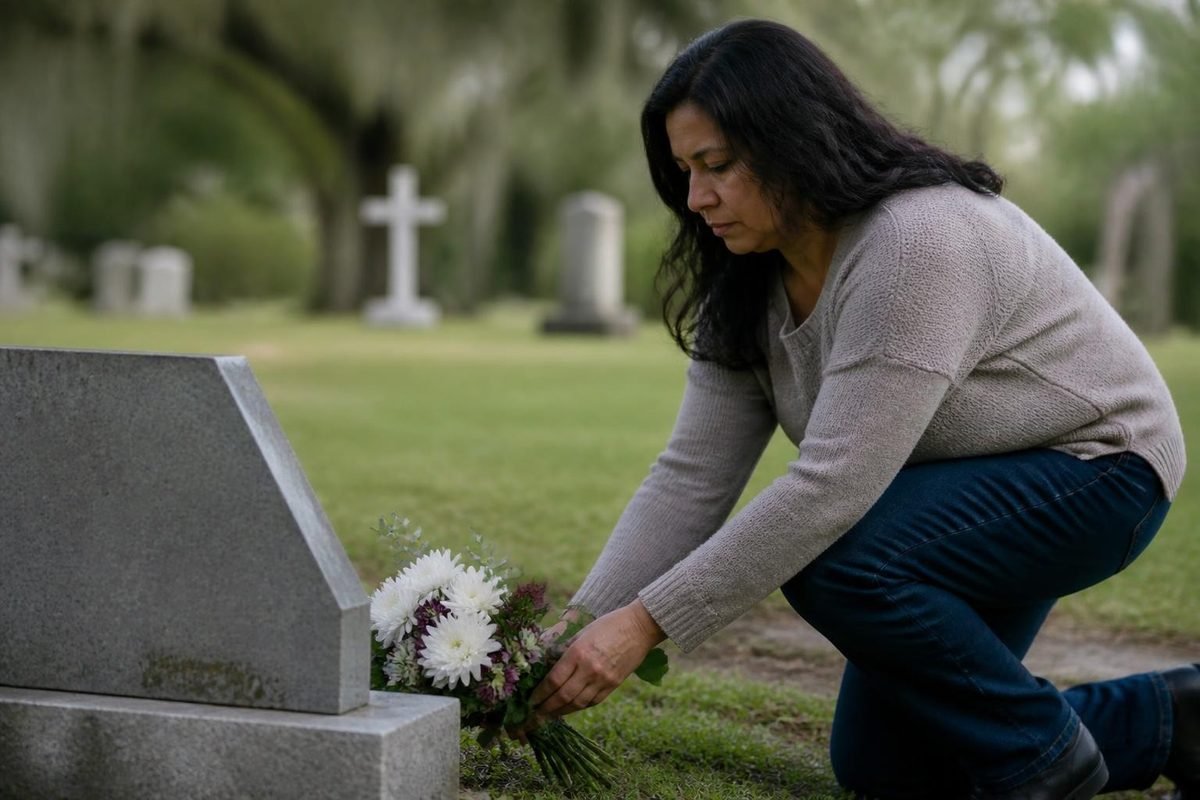
Flowers can honor someone who died in military service by marking a place of remembrance and offering a visible expression of care. A single stem, a wreath, or an arrangement chosen with the person's family in mind can make space for quiet reflection.
Choose flowers with care
Start with what you know about the person. A favorite flower, a color they loved, or a bloom associated with their home can make a tribute feel personal. If you did not know them well, a simple arrangement in soft colors is a thoughtful choice.
White flowers are often used to express remembrance and peace. Red flowers can be a way to show love and respect. Poppies are associated with remembrance of people who died in war, especially in the United Kingdom and other Commonwealth countries. Meanings vary, though, and you do not need to rely on symbolism to make your flowers appropriate.
Consider the setting as well. A modest bouquet may suit a graveside visit, while a wreath or larger arrangement may be intended for a memorial service. Ask the family or the service organizer what would be welcome before ordering something large.
Make the tribute personal
A short note can explain your choice without trying to capture an entire life. You might mention a quality you remember, offer sympathy to the family, or simply write that the person is remembered. If you are unsure what to say, a few sincere words are enough.
You can also choose flowers that connect to a shared memory, such as blooms from a garden the person enjoyed. If you are bringing flowers on behalf of a group, include the group's name on the card so the family knows who sent them.
Keep the focus on the person and the wishes of those closest to them. A tribute does not need patriotic colors or military symbols to be respectful. Some families may appreciate them, while others may prefer something quieter or more personal.
Check the place and timing
Before placing flowers at a grave or memorial, check its rules. Cemeteries may limit the kinds of containers, decorations, or artificial flowers allowed, and staff may remove arrangements during grounds maintenance. A public memorial may have its own guidance about leaving objects.
For a funeral or memorial service, read any instructions from the family. They may request donations instead of flowers, or specify where arrangements should be sent. If there is no guidance, the service organizer can usually tell you what is practical.
Flowers can also be meaningful after the service. A small bouquet sent to the family later, or a visit to the grave on a significant date, can be a gentle way to show continued care.
Questions about remembrance flowers
Is one flower enough?
Yes. A single flower placed thoughtfully can be as meaningful as a larger arrangement. Check the rules of the site before leaving it.
Can I send flowers if I cannot attend the service?
Yes. Follow the family's instructions for sending flowers, and include a brief note so they know you are thinking of them.
More on this: original source